Most dogs will put up with a lot. Ears wiped, nails trimmed, a bath when things get truly ripe. Then you reach for their mouth and everything changes. The head turns, the jaw clamps shut, and suddenly you're negotiating with a forty-pound animal over a piece of plastic. Brushing a dog's teeth sounds simple until you try it with a dog who has opinions.
It's still worth doing. Plaque is soft when it first forms and comes off with a brush. Left alone, it hardens into tartar, and no toothbrush will take that off. So the goal isn't a tidy two-minute dental routine every night. It's frequency and trust: a little brushing, often, with a bit less resistance each time.
Why Brushing Is Worth the Fuss
Dental chews, water additives, and dental diets all have a place, but they mostly work on the surfaces they touch, and many of them never reach the gumline where trouble usually starts. A toothbrush does. It's the most direct way to slow the buildup that leads to inflamed gums, loose teeth, and breath that empties a room.
There's a practical angle, too. A dog who tolerates toothbrushing is easier for a veterinarian to examine, and small problems are usually cheaper and less painful to handle than advanced ones. Ask your vet what's appropriate for your dog specifically, since age, breed, crowded teeth, and existing dental disease all change the picture.
The Supplies Worth Having
- Dog toothpaste. Made in flavors dogs tend to accept, like poultry, malt, or peanut butter. Never use human toothpaste: the foaming agents aren't meant to be swallowed, and some human formulas contain xylitol, which is toxic to dogs.
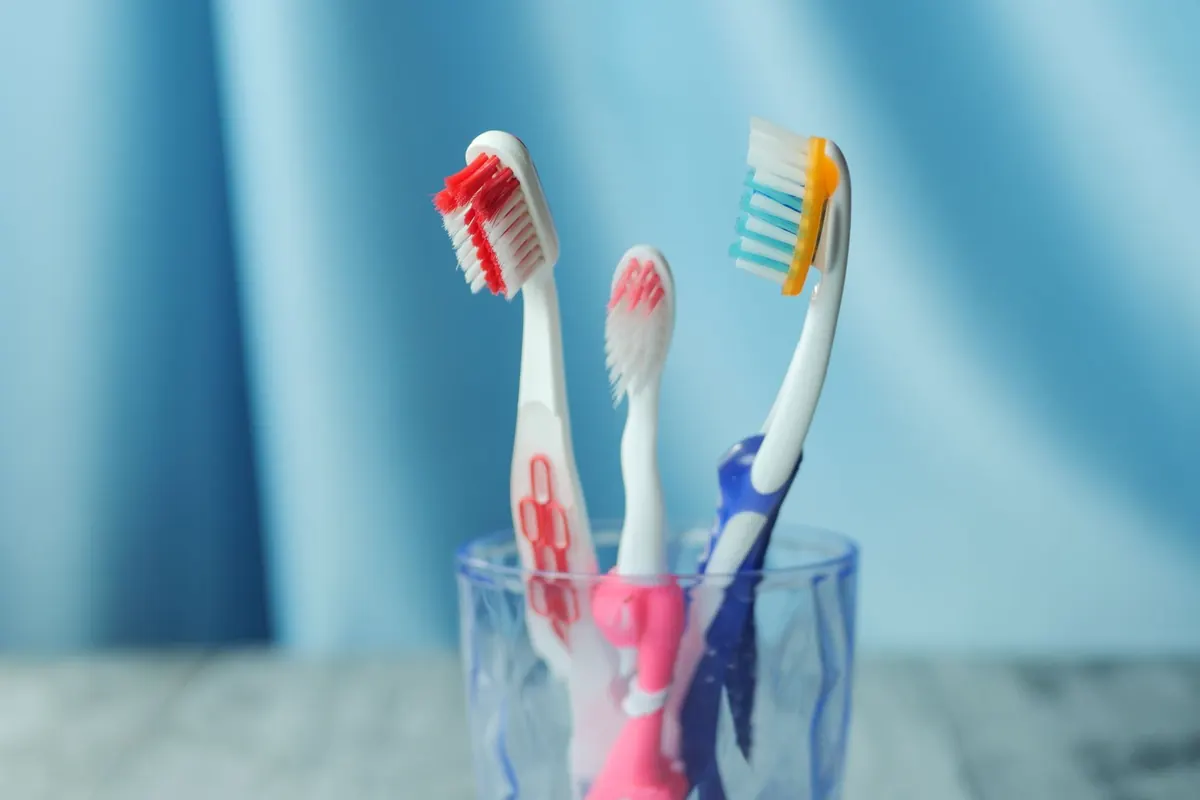
- A brush that fits your dog's mouth. A soft-bristled pet toothbrush, an angled brush for reaching the back teeth, or a rubber finger brush for small mouths.
- Gauze pads or a soft cloth. Wrap a piece around your index finger and you have a perfectly good brush for a dog who hates bristles.
- Dental wipes. Not a replacement for brushing, but a useful stopgap on the days you're short on time or patience.
- Small, high-value treats. Something your dog doesn't get every day. This is a reward session, not a punishment.
All of it is cheap and easy to replace. The two things that matter most: the toothpaste is made for dogs, and the bristles are soft.
Start With Your Finger, Not a Brush
Most failed toothbrushing attempts happen on day one, with a brush and a dog who has never had a finger near their teeth. Skip that fight. Build the habit in steps instead:
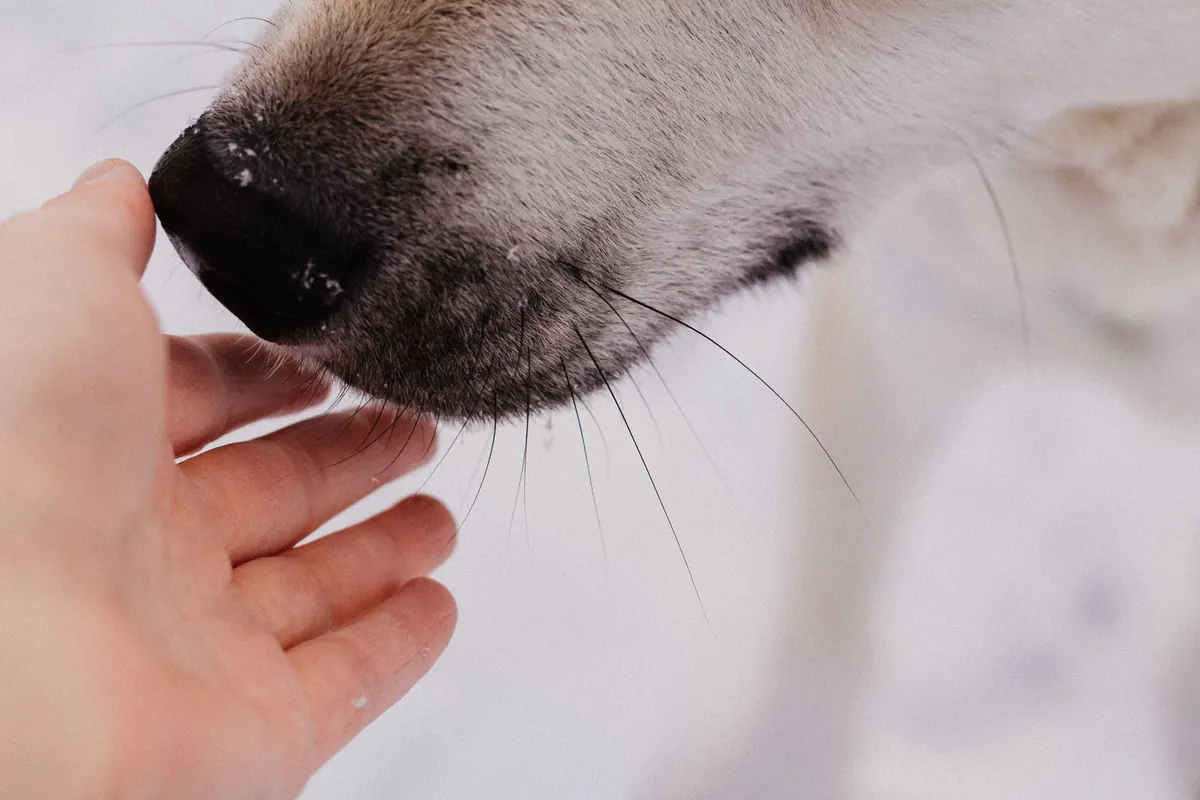
- Touch your dog's muzzle for a second or two while they're relaxed, then stop and reward.
- Lift the lip gently and look at the teeth. Hold for a beat, release, reward.
- Rub a bare finger along the outside of the teeth and gums. No paste yet.
- Put a dab of dog toothpaste on your finger and let your dog lick it. Many will decide it's a treat.
- Rub the teeth with a paste-coated finger. On its own, this does some real good.
- Introduce the brush with paste, starting with just the front teeth.
Some dogs climb that ladder in a week. Others take a month, and that's fine. If your dog pulls away, you moved too fast — drop back a step and stay there a few days. End every session while your dog is still comfortable, not after they've started squirming. Chasing a dog around the living room to brush their teeth teaches one lesson: the toothbrush means being grabbed.
The Brushing Technique That Works
- Pick the moment. Right after a walk, when your dog is tired and mellow, beats first thing in the morning when they're bouncing off the walls.
- Get comfortable. Sit on the floor for a big dog, or settle a small one on your lap or on a towel-covered counter. Approach from the side rather than leaning over their face, which most dogs find threatening.
- Lift the lip, don't pry the mouth open. Slide a finger under the lip at the side of the mouth. The jaw stays closed, and you only need to see the outer tooth surfaces.
- Angle the bristles at the gumline — roughly 45 degrees — and use small circles or gentle back-and-forth strokes. The gumline is where plaque causes the most damage.
- Work in sections. Upper right, upper left, then the front teeth. Start on whichever side your dog tolerates best, and don't worry much about the inside surfaces; the tongue does a fair amount of that work on its own.
- Keep it short. Thirty seconds is a genuine win. Two minutes is an excellent session.
- Finish with praise and a treat, every single time.
When Your Dog Still Refuses
- Clamped jaw. Brush one front tooth, then stop. Don't force the mouth open; it turns a small task into a struggle.
- Hates the bristles. Switch to gauze or cloth over your finger for a few weeks, then try the brush again.
- Hates the paste. Try another flavor. Test a tiny smear on a plate first so you're not buying four tubes you'll never use.
- Fine until you reach the back teeth. Use a smaller brush head or a finger brush, approach from the side, and spend a few sessions simply touching that area before brushing it.
- Wriggly little dog. A non-slip surface at counter height helps, as does a second calm person. Never scruff or pin a dog to brush their teeth.
- Sudden resistance in a dog who used to accept it. That's a reason to book a vet visit, not to push harder. Sore gums, a cracked tooth, or something stuck between molars can make brushing genuinely painful.
How Often Should You Actually Brush?
Daily is the ideal. Three or four times a week captures most of the benefit, and every other day is a reasonable floor. Plaque starts forming within hours and begins hardening within a day or so, which is why one long Sunday session accomplishes less than two short ones during the week.
Be clear about what brushing can and can't do. It slows new buildup; it doesn't remove tartar that's already crusted onto the teeth. That requires a professional cleaning. So pair home brushing with regular veterinary dental checkups, and let your vet tell you how often your dog needs a closer look.
Making It a Habit, Not a Chore
Attach brushing to something that already happens every day — after the evening walk, before the last trip outside, right after dinner. Keep the brush and paste visible instead of buried in a drawer, because out of sight really does mean out of mind. Do it in the same spot, in the same order, and keep it short enough that your dog never has time to dread it. On a chaotic day, brushing just the front teeth for twenty seconds still counts.
And know when to stop and make a call instead. Persistent bad breath, bleeding gums, brown buildup along the gumline, drooling, dropping food, or chewing on one side of the mouth all point to something a toothbrush can't fix. Those are veterinarian territory, and the sooner the better.
Photo: Towfiqu barbhuiya / Pexels